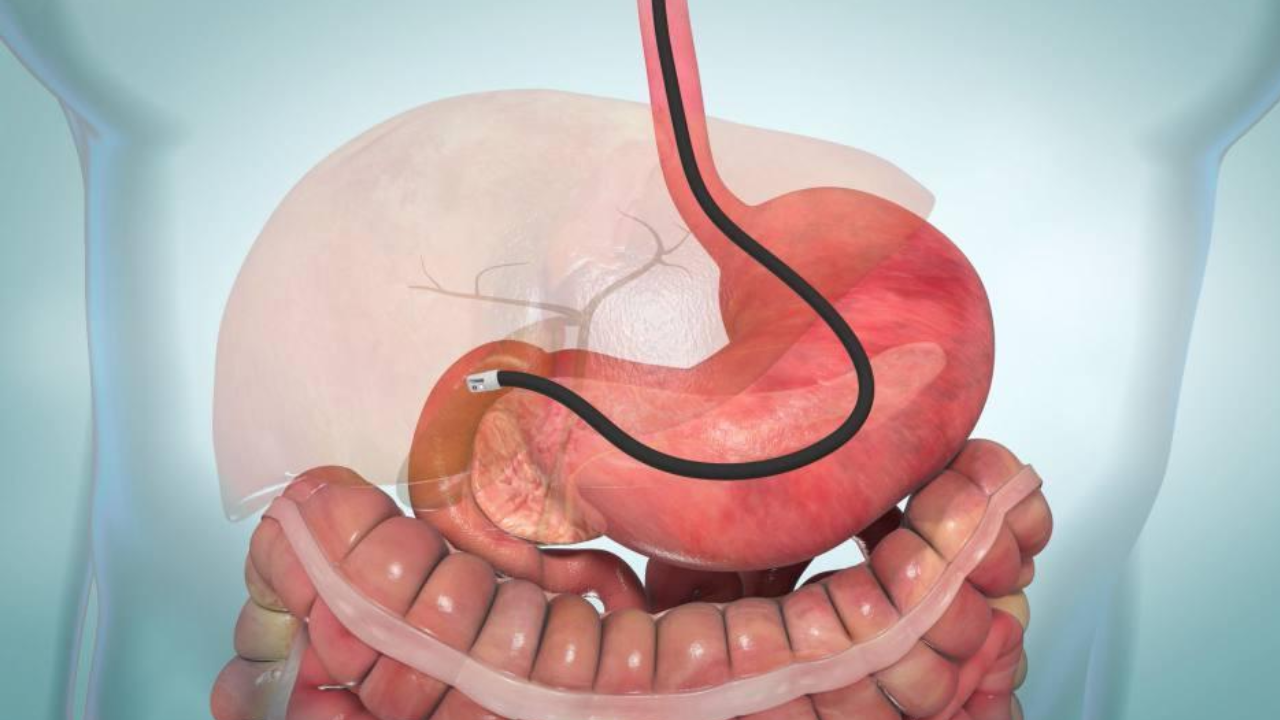
ERCP (Endoscopic Retrograde Cholangiopancreatography) is a specialised endoscopic procedure used to diagnose and treat conditions of the bile ducts and pancreatic duct. It combines endoscopy with X-ray imaging to visualise these ducts and perform therapeutic interventions.
ERCP is performed to:
You must have nothing to eat for 8 hours before the procedure and nothing to drink for 4 hours before.
It is essential to inform your doctor if you are taking blood-thinning medications, as these may need to be adjusted or stopped before the procedure.
Blood tests may be required before the procedure to check your blood clotting and liver function. You will need to arrange for someone to drive you home after the procedure.
ERCP is performed under sedation or general anaesthetic. A specialised endoscope (duodenoscope) is passed through the mouth, down the oesophagus and stomach, and into the duodenum where the bile duct opens.
A small catheter is inserted into the bile duct opening, and contrast dye is injected to visualise the ducts on X-ray. Therapeutic interventions such as stone removal, sphincterotomy (cutting the bile duct opening to allow stones to pass), or stent placement can then be performed.
The procedure typically takes 30 to 60 minutes, depending on the complexity of the intervention.
You will be monitored closely in the recovery area. You may experience some throat discomfort and bloating. You will be kept nil by mouth for a few hours after the procedure.
Most patients can go home the same day, although some may require an overnight stay for observation, particularly if a complex intervention was performed.
Because of the sedation given it is very important that you do not drive a car, travel on public transport alone, operate machinery, sign legal documents or drink alcohol on the same day after the test. It is strongly advised that a friend or relative take you home and stay with you.
ERCP carries a slightly higher risk of complications compared to standard endoscopy. Risks include:
If you have any of the following symptoms in the hours or days after ERCP
Please contact your doctor or present to the nearest emergency department immediately.